Across India, the act of brewing a cup of tea is quiet ritual — the whistle of the kettle at dawn, the clatter of cups on a monsoon afternoon, the shared pot after a heavy festive meal. Increasingly, that cup holds something beyond the familiar milky chai: a blush-pink hibiscus infusion, a golden Kashmiri kahwa flecked with saffron, or a calming tulsi brew steeped from leaves your grandmother would have recognised. This is the world of herbal and wellness teas, and it is one of the fastest-growing corners of Indian well-being. This guide explains what these teas actually are, what tradition and modern interest value them for, and — just as importantly — how to brew each one so it tastes the way it should.
What Are Herbal Teas and Tisanes?
Strictly speaking, “tea” refers only to infusions made from the leaves of Camellia sinensis — the plant that gives us green, black, white and oolong teas. Everything else — the tulsi, hibiscus, chamomile, peppermint and spice blends — is more accurately called a tisane or herbal infusion. In everyday Indian usage we call them all “tea,” and that is how we will refer to them here, but the distinction matters for one big reason: caffeine.
True teas from Camellia sinensis naturally contain caffeine. Tisanes made from herbs, flowers, roots and spices are almost always caffeine-free, which is why they are so popular in the evening, during pregnancy (with a doctor’s guidance), and for anyone sensitive to stimulants. Both families are traditionally valued in Indian and Ayurvedic wellness, and a well-stocked kitchen usually keeps a few of each.
Caffeine at a Glance
- Caffeinated: Assam black, Darjeeling green, masala chai, and most classic black teas and green teas.
- Naturally caffeine-free: Tulsi, hibiscus, chamomile, peppermint, lemon ginger, moringa, butterfly pea, and most cleanse blends — found across the wellness tea range.
The Major Types of Herbal & Wellness Tea
Each of these teas carries its own flavour, its own colour in the cup, and its own place in traditional Indian wellness. The notes below use the careful, traditional framing these ingredients deserve — herbal teas are foods and beverages, not medicines.
Tulsi (Holy Basil)
Few plants are as revered in India as tulsi, grown in courtyards and worshipped in homes for centuries. As a tea it is warm, peppery and faintly clove-like. In Ayurveda tulsi is classed as an adaptogen and is traditionally valued for helping the body cope with everyday stress and for supporting respiratory comfort during the seasonal shift. It may support a sense of calm balance, which is why it appears in so many Indian evening rituals.
Kashmiri Kahwa
A ceremonial green-tea infusion from the Kashmir valley, kahwa is brewed with saffron, green cardamom, cinnamon and slivered almonds. It is fragrant, lightly sweet and gently warming — the classic accompaniment to a Himalayan winter. Traditionally served after meals, it is valued for aiding a feeling of digestive ease and for its comforting warmth. You can explore a ready blend such as Kashmiri Kahwa to experience the authentic saffron-and-almond profile at home.
Butterfly Pea (Blue Tea)
Perhaps the most photogenic tea of all, butterfly pea flower brews a striking deep blue that turns purple, then pink, the moment you add a squeeze of lemon. Caffeine-free and earthy-mild, it is rich in the plant pigments called anthocyanins and is traditionally valued as an antioxidant-forward brew that may support skin radiance and calm. It is a showstopper for festive gatherings and monsoon high-teas alike.
Hibiscus
Known in India as gudhal, hibiscus steeps into a jewel-red, tart, cranberry-like cup that is delicious hot or iced. It is naturally caffeine-free and has long been valued in traditional practice for supporting healthy circulation and for its cooling nature. Its bright vitamin-C-rich profile makes it a favourite in skin-glow blends.
Chamomile
The little golden daisy flower produces one of the world’s most beloved bedtime infusions — soft, apple-sweet and soothing. Chamomile is caffeine-free and traditionally valued for helping you unwind and settle before sleep. A warm cup an hour before bed is a gentle evening cue the body learns to recognise, and it anchors many sleep and calm selections.
Peppermint
Cool, crisp and instantly refreshing, peppermint tea is caffeine-free and traditionally valued for supporting comfortable digestion after a rich or spicy Indian meal. Its natural menthol makes it a welcome pick-me-up during humid weather, and it blends beautifully with lemon or a little tulsi.
Lemon Ginger
A pairing every Indian household knows well — the warming bite of ginger softened by bright lemon. This caffeine-free infusion is a monsoon and winter staple, traditionally valued for supporting immunity and soothing the throat when the seasons turn. It sits naturally within both immunity and digestion and gut-health rituals.
Moringa
Drawn from the leaves of the sahjan or drumstick tree, moringa is one of India’s most nutrient-dense greens. As a tea it is mild, grassy and caffeine-free, and is traditionally valued as a vitamin- and mineral-rich brew that may support everyday vitality and skin health. It has become a modern wellness favourite while remaining deeply rooted in Indian kitchens.
Masala Chai
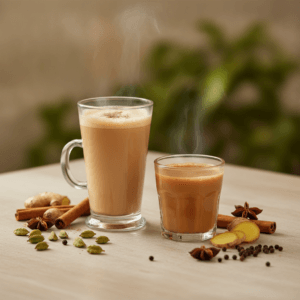
The heartbeat of Indian tea culture: strong black tea simmered with milk and a fragrant masala of cardamom, ginger, cinnamon, clove and black pepper. It is caffeinated and comforting, and the warming spices are traditionally valued for supporting digestion and circulation on a cold or rainy day. A good masala milk tea is as much about ritual as refreshment.
Assam Black
Grown in the lush plains of Assam, this is the bold, malty, full-bodied black tea that forms the backbone of most Indian breakfasts and roadside chai. It is caffeinated and brisk, valued for a clean morning lift. Assam takes milk and sugar gracefully, which is exactly why it became the nation’s everyday cup.
Darjeeling Green
From the misty slopes of the Darjeeling hills — a stone’s throw from Siliguri — comes a green tea of remarkable delicacy, floral and lightly astringent with the region’s signature “muscatel” character. It is lower in caffeine than black tea and traditionally valued as an antioxidant-rich daily brew that may support metabolism and focus. It is a natural fit for energy and focus routines.
Detox & Cleanse Blends (DetoxaLiver-Type)
Cleanse-style blends bring together herbs traditionally associated with supporting the body’s natural detoxification — think dandelion, milk thistle, tulsi, ginger, fennel and green tea. These caffeine-light or caffeine-free blends are valued for supporting liver comfort and everyday digestive balance, especially after a season of festive indulgence. They are the cornerstone of any detox and cleanse ritual. As always, they support wellness routines rather than replacing balanced eating or medical care.
Which Tea for Which Concern?
One of the simplest ways to build a tea shelf is to shop by what you want your cup to do for you. The table below maps common wellness goals to the teas traditionally valued for them — the same thinking behind a well-designed “shop by concern” range.
| Concern | Recommended Teas | Best time to sip |
|---|---|---|
| Sleep & Calm | Chamomile, Tulsi, Butterfly Pea | Evening, 1 hour before bed |
| Immunity | Lemon Ginger, Tulsi, Hibiscus | Morning & seasonal changes |
| Digestion & Gut Health | Peppermint, Kashmiri Kahwa, Masala Chai | After meals |
| Energy & Focus | Darjeeling Green, Assam Black, Masala Chai | Morning & mid-afternoon |
| Detox & Cleanse | Cleanse blends, Moringa, Green Tea | Morning, on an empty stomach |
| Skin Glow | Hibiscus, Butterfly Pea, Moringa | Anytime, daily |
How to Brew: Temperatures, Times & Quantities
The single most common mistake in tea-making is using boiling water for everything. Green teas scald and turn bitter above 85°C, while delicate flowers and robust herbs need different handling altogether. Use this table as your everyday reference — quantities are per 200–250 ml cup.
| Tea type | Water temperature | Steep time | Quantity |
|---|---|---|---|
| Green tea (Darjeeling green, kahwa base) | 75–85°C | 3–4 minutes | 1 tsp / 2–3 g |
| Black tea (Assam, Darjeeling black) | 95–100°C | 3–4 minutes | 1 tsp / 2–3 g |
| Herbal tisanes (tulsi, hibiscus, chamomile, peppermint, lemon ginger, moringa, butterfly pea) | 95–100°C | 5 minutes (up to 7 for a stronger cup) | 1–2 tsp / 2–3 g |
| Masala chai | Bring water to a boil, add tea & spices, then add milk and simmer | 4–5 minutes total simmer | 1 tsp tea + spices per cup |
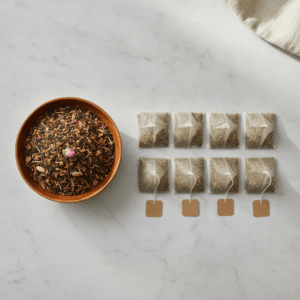
A few practical tips: if you do not have a thermometer, let boiled water rest for two to three minutes before pouring it over green tea. Keep the pot covered while steeping to trap the aromatic oils. And taste as you go — steep time is a matter of preference as much as rule. Convenient tea bags take the guesswork out of quantity when you are brewing on the move.
About the Source
This guide was written with TeaQure, a Siliguri-based herbal tea maker at the foothills of the Himalayas, founded by Moumita Chakraborty. TeaQure draws on the herbal-remedy traditions Moumita learned from her grandmother — a lifetime of Himalayan home wisdom around tulsi, ginger, saffron and seasonal cleanses — and pairs that heritage with modern, FSSAI-compliant blending. Being based in Siliguri, the gateway to Darjeeling and the Northeast tea gardens, gives TeaQure direct, first-hand access to some of India’s finest tea-growing regions. The framing throughout this article follows a food-first, wellness-supportive approach: herbal teas are a delicious part of a balanced lifestyle, not a substitute for professional medical advice.
Frequently Asked Questions
Are herbal teas caffeine-free?
Most true herbal teas — tisanes made from herbs, flowers, roots and spices such as tulsi, hibiscus, chamomile, peppermint and lemon ginger — are naturally caffeine-free. Teas made from the Camellia sinensis plant, including green, black and masala chai, do contain caffeine. Always check the blend, as some “wellness” teas use a green-tea base.
Which herbal tea is best for sleep?
Chamomile is the most widely valued tea for winding down in the evening, thanks to its soft, soothing character. Tulsi and butterfly pea are also popular caffeine-free choices for a calming bedtime ritual. Sip about an hour before bed, and keep the cup free of added stimulants.
Can I drink green tea and herbal tea every day?
For most healthy adults, one to three cups a day is a comfortable amount and part of many daily Indian routines. Herbal tisanes are gentle enough for regular sipping, while caffeinated green and black teas are best kept to earlier in the day. If you are pregnant, nursing, or on medication, check with your doctor first.
What is the difference between blue tea and green tea?
Blue tea is a caffeine-free tisane made from butterfly pea flowers, prized for its dramatic blue colour and antioxidant content. Green tea comes from the Camellia sinensis plant, contains caffeine, and has a grassy, brisk flavour. They are entirely different plants that simply share a place on the wellness shelf.
How much does good herbal tea cost in India?
Quality loose-leaf herbal and wellness teas in India typically range from about ₹250 to ₹600 per pack, depending on ingredients like saffron or premium single-origin leaves. Blends with rare botanicals such as Kashmiri kahwa sit at the higher end, while everyday tisanes and tea bags are more affordable.
When is the best time to drink detox or cleanse tea?
Cleanse-style blends are traditionally sipped in the morning, often on an empty stomach, to complement the body’s natural rhythms — and are especially popular after a season of festive indulgence like Diwali. Remember that these teas are meant to support a healthy lifestyle of good food, sleep and hydration, not replace it.